The TaksaToys Story: A Decade of Growing Together
It Began at Home
TaksaToys did not begin in a factory. It began at home, around our family dining table.
Conversations there often lasted longer than the meals. The father had spent much of his life creating work that brought beauty and meaning together. He believed that what we create can shape how people see the world.
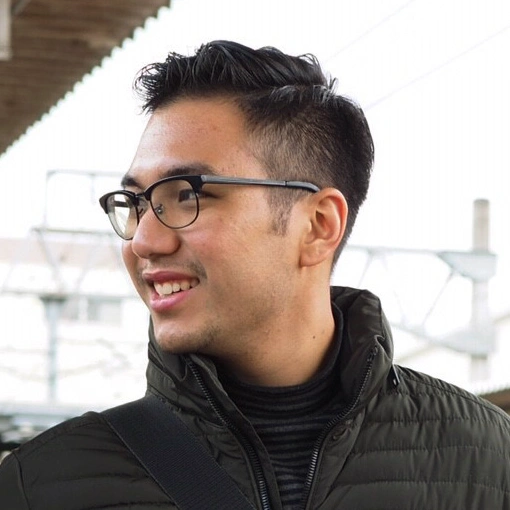
His son, then studying design, began asking a related but different question: if design can shape perception, could it also help shape how we live with one another?
TaksaToys did not begin with ambition. It began with concern.
For his graduation thesis, the son explored something quiet but important. Children were growing up surrounded by speed, comparison, and constant stimulation. They were connected to more things than ever, yet not always deeply connected to one another. Winning was celebrated. Ranking felt normal. But the ability to listen, negotiate, and build something together seemed increasingly fragile.
He asked a serious question:
How can design help strengthen these human skills?
From an Idea to a Shared System
The answer was not a single toy. It was a system that required movement, negotiation, and collective effort. No child could complete it alone.
That early concept became the foundation for what would eventually become Resources® Playground.
The first version to reach families, however, was not the large-scale system. Its philosophy was initially translated into a tabletop format and introduced as Resources®.
Designed for the home, Resources® created opportunities for siblings and parents to collaborate while still leaving space for independent exploration. The scale had changed, but the essential principles remained: balance, consequence, communication, and shared responsibility.
Years later, the original large-scale vision returned in a more refined and fully realized form as Resources® Playground.
It was never only about the product. It was always about people.
Designed Around What Matters
At home, our conversations were rarely about profit or scale. They were about responsibility.
The father often returned to one belief: if we hope for a better society, we must begin with what children practice early in life.
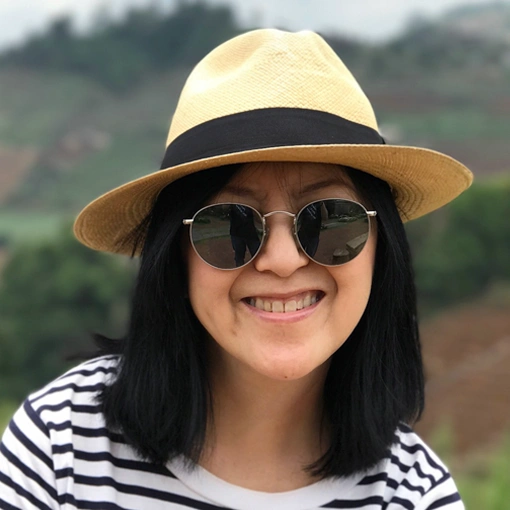
The mother has always been the quiet strength behind that belief. She brings steadiness to the family and asks the simplest, most important questions:
Will this bring families closer?
Will it encourage kindness?
Will children learn to care for one another through it?
Whenever ideas grow large, she keeps them human.
From the beginning, we chose not to make defeating someone else the center of play. Instead, we focused on what happens when children try to build something together.
A structure falls. One child adjusts a piece. Another offers an idea. They listen, adapt, and try again.
In moments like these, collaboration does not feel like a lesson. It becomes a natural part of play.
The Meaning of “Taksa”
“Taksa” means “skills” in Thai, and we chose the name deliberately.
We are a Thai family building from our own cultural roots, where consideration, respect, and shared responsibility are quietly woven into everyday life.
To us, Taksa means more than technical ability. It includes the human skills that help us live well with others: patience, responsibility, fairness, thoughtfulness, and the courage to try again.
These qualities do not grow through instruction alone. They take shape through experience, through the small choices children make while creating, solving problems, and playing together.
When Educational Psychology Brought a Deeper Lens
Six years into our journey, the nephew joined the team after completing advanced studies in educational psychology and working as a university lecturer.
His perspective brought an academic lens to our work. It strengthened our understanding of how children learn through direct experience and helped us examine the family’s original ideas with greater care.
His contribution reinforced our commitment to creating designs that are thoughtful in their philosophy and informed by a clearer understanding of children’s development.
Still at the Same Table
More than a decade later, we are still gathered around the same kind of table.
We are still asking whether what we create contributes to the kind of society we hope children will grow up in.
Our ideas may now travel beyond borders, but our roots remain in Thailand. We are proud to build from a culture that values community, humility, and interdependence. We believe that a small family company from Thailand can contribute something meaningful to the global conversation about how children play, learn, and grow together.
Over the years, everything we have learned has led us back to one simple belief:
Playing is never nonsense.
Say Hello to Our Family