
How Parents Can Fuel Curiosity to Raise Motivated Lifelong Learners
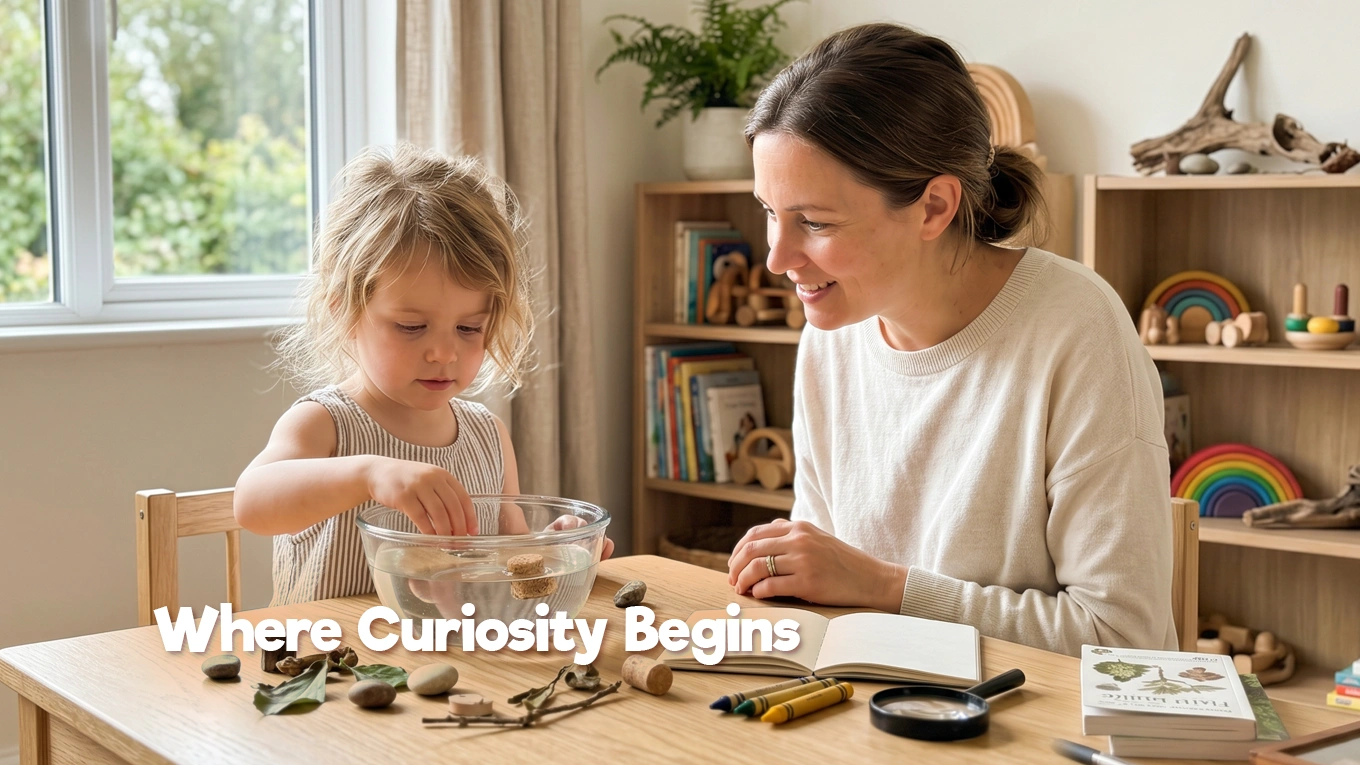
Parents of young children see it every day: questions that tumble out at breakfast, tiny experiments in the bathtub, a stubborn need to know “why.” Children’s natural curiosity is powerful, yet the real challenge in parenting education is how quickly it can get crowded out by rushing, rules, screens, and the quiet pressure to perform. Many families end up trading a spark of interest for compliance, then wonder why learning starts to feel like a chore. Protecting that wonder helps curiosity grow into a steady love of learning and the kind of motivation that creates engaged learners.
How Curiosity Turns into Lifelong Motivation How Curiosity Turns into Lifelong Motivation
At the heart of lifelong learning is intrinsic motivation, the inner pull to learn because it feels meaningful, not because someone is watching. When something is personally rewarding, curiosity stays alive long enough for kids to build skills, connect ideas, and feel proud of their progress.
This matters because motivation is not just willpower. It is emotional engagement that helps children stick with a challenge, recover from mistakes, and keep asking better questions. Over time, that steady interest supports stronger thinking and a healthier relationship with effort.
Think of a child trying to learn to ride a bike. Praise helps, but the real engine is wanting the freedom of riding. That internal “I want to figure this out” is what carries them through wobbles and scraped knees. That same engine shows up when adults learn at home, too.
Model Learning Out Loud: Build a Family Culture of Curiosity
When kids see that curiosity doesn’t stop at adulthood, they learn that effort and interest, not perfection, are what keep motivation alive. One powerful way to lead by example is to go back to school yourself and let your child witness the process: the excitement of learning something new, the persistence it takes to keep going, and the normal bumps along the way. Online degree programs can make that choice more realistic because they’re designed to fit around work, family responsibilities, and the unpredictable rhythm of home life. Just as important is choosing a school with robust support for adult learners, so you’re not trying to “power through” alone, especially when deadlines collide with family needs.
That support can be emotional (encouragement from family and peers), practical (childcare help, protected study time, clear routines), and workplace-related (flexibility, understanding, or schedule planning). With proactive planning and the right university resources, challenges become manageable, and progress toward academic goals becomes something your child can see, and believe they can do, too.
Build a Daily Curiosity Routine at Home
This simple routine helps you turn everyday moments into chances to explore, read, and tinker without making it feel like “extra school.” It matters because when curiosity is part of normal home life, motivation grows from interest and confidence, not pressure.
Stock a “grab-and-go” learning corner
Choose one small spot and load it with a few rotating basics: paper, markers, tape, scissors, a magnifier, a puzzle, and a bin of library books. Keep it visible and easy to reach so your child can start exploring without asking or waiting. The goal is to remove friction so questions can turn into action.
Make reading a daily cue, not a big event
Anchor read-aloud time to something that already happens, like after dinner or before bed, even if it is only 10 minutes. United Through Reading’s reminder to keep books within reach works because kids are more likely to pick up what they can actually see and touch. Treat rereading favorites as a win since it builds comfort and fluency.
Build a “library rhythm” with your child in charge
Pick one repeatable day to visit the library or place holds, then let your child choose most of the stack. Give a simple framework like “one you know, one you wonder about, one just for fun” to broaden options without taking over. This keeps choice and novelty working together.
Rotate topics with a weekly “question to chase”
At the start of the week, write one family question on a sticky note, like “Why do some things float?” or “How do bees find flowers?” Post it somewhere you will see it, and collect mini answers all week through books, quick videos, or conversations. Think in seasons, not days, since research on times to reach habit formation shows routines often take weeks to settle and vary by child.
Add play-based learning tools on purpose
Choose one game, one hands-on experiment, one building material, and one storytelling activity for the week, then use them as invitations, not rewards. Keep it simple: a card game for patterns, a baking-soda experiment for reactions, an open-ended construction set for balance, and natural materials, or a drawing sketchbook for storytelling. End each activity with one gentle prompt, “What did you notice?” so your child learns that observations matter.
Curiosity at Home: Questions Parents Ask
Q: What if my child can’t focus long enough to “learn”?
A: Start with tiny bursts, even 3 to 5 minutes, then stop while it still feels good. Offer one clear choice like “draw or build” to reduce decision fatigue. Consistency matters more than duration.
Q: Can I motivate without rewards or pressure?
A: Yes. Use specific, warm feedback: “You kept going even when it was tricky.” That kind of attention is a reward, and it builds internal confidence over time.
Q: Should I worry if my child learns differently than siblings or classmates?
A: Different pace and style are normal. Watch what sparks energy, then offer more of that pathway, stories, hands-on, movement, or talking it out.
Q: When should I step in versus letting my child struggle?
A: Step in when they are stuck and discouraged, not when they are thinking hard. Offer a hint, a tool, or a first step, then hand it back.
Build Self-Motivated Learners with One Curiosity Habit
It’s hard to keep curiosity alive when attention is scattered, frustration shows up fast, and school can start to feel like a checklist. The steadier path is a home mindset that treats learning as a relationship, where the parental role in education is to notice, encourage, and make room for questions without pressure. Over time, kids gain the benefits of self-motivated learners: more confidence, stronger long-term learning habits, and a willingness to try again when things get tricky. Curiosity grows when children feel safe to wonder out loud. Choose one tiny habit today, pause for one real question and follow their lead for a minute. That’s how families keep inspiring joyful learning experiences that support resilience and connection for years.
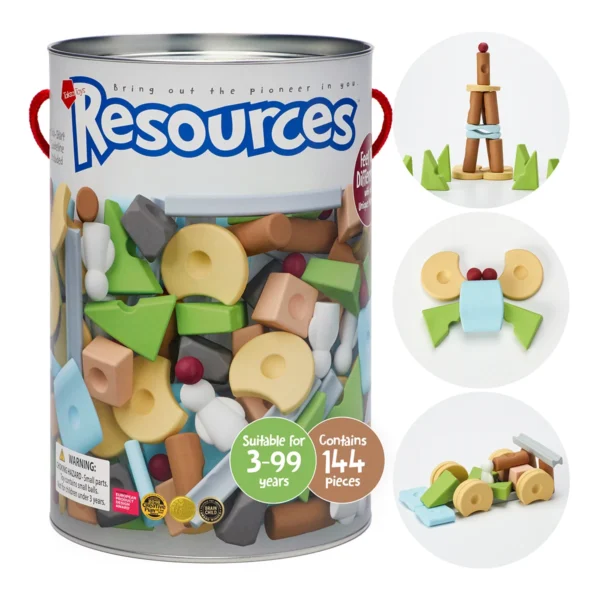 Resources® Expert Pack (144 pcs)