Fine Motor Development Through Simple Hands-On Activities
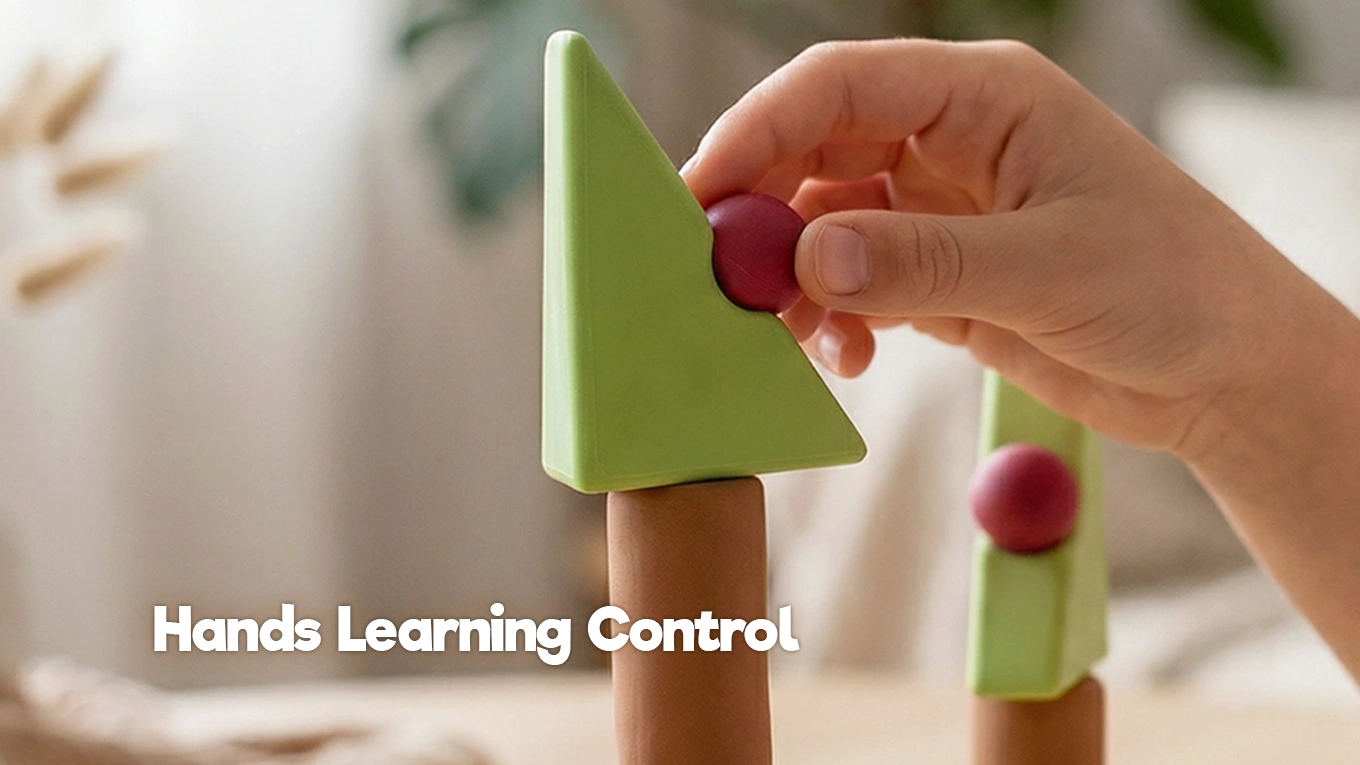
Fine motor skills are part of how children learn to use their hands with care, control, and intention. From placing a small object onto a surface to threading a bead or holding a pencil, these movements grow through repeated, everyday practice. This article looks at how fine motor development happens, why it matters, and how simple hands-on activities can quietly support a child’s growing coordination.
Why Your Child’s Hands Matter More Than You Might Think
Take a moment to look at your own hands. They help us build, draw, write, cook, repair, hold, and care. For children, the hands are not only tools for doing things. They are also tools for understanding the world.
When children pick up a small object, press soft material, turn a page, or fit one piece into another, they are learning through movement and touch. Their hands send information back to the brain. The brain responds, adjusts, and gradually builds more control. Over time, these small actions become more precise, more confident, and more useful in daily life.
Why Fine Motor Skills Shape Everyday Learning
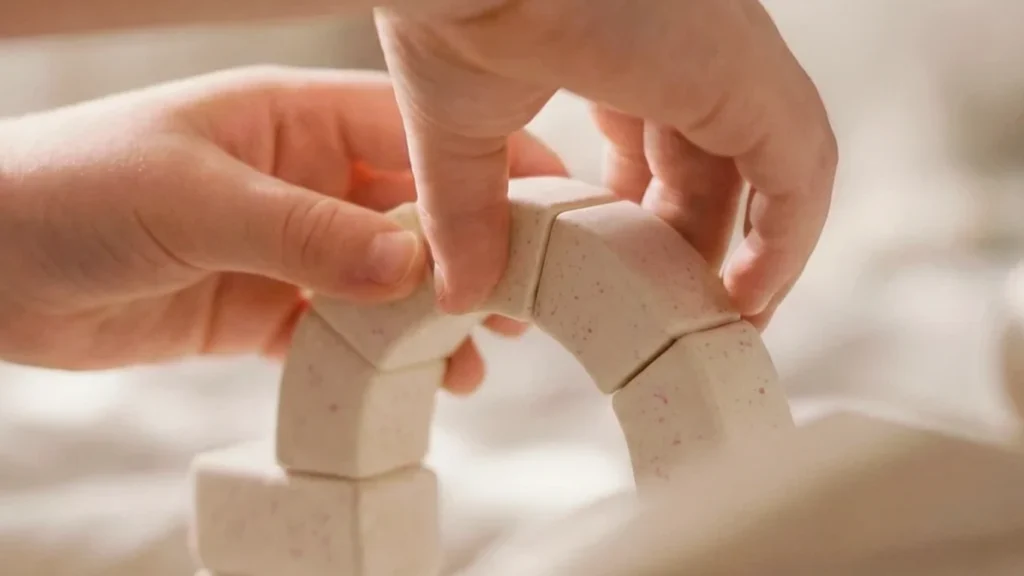
Fine motor control affects more than handwriting or using scissors. It helps children take part in classroom routines, self-care, drawing, building, eating, dressing, and other tasks that require patience and coordination.
A child who can hold, turn, press, pinch, and release with control often has an easier time working with learning materials. They can focus less on the difficulty of the movement itself and more on the idea in front of them. This does not mean every child should develop at the same speed. It means the hands deserve regular, thoughtful opportunities to practice.
How Fine Motor Skills Actually Develop
Practice Builds Pathways
A child’s brain changes through use. When the hands repeat careful movements, the brain begins to strengthen the pathways that guide those actions. A movement that once felt awkward slowly becomes smoother. Picking up a bead, drawing a line, or moving a small object from palm to fingertips may look simple, but each repetition helps the child refine control.
This is why short, consistent practice often matters more than long, forced sessions. A few minutes of meaningful hand use during play, cooking, drawing, or building can become part of a child’s natural rhythm.
Stability Comes Before Precision
Fine motor control does not begin only in the fingers. Children often need steadiness through the body, especially the trunk, shoulders, and arms, before the fingers can work with precision.
It is difficult to draw a careful shape while sitting unsteadily or reaching from an awkward position. A stable body gives the hands more freedom. This is why climbing, crawling, carrying, pushing, and other whole-body movements can also support later hand control. The body holds itself, and the fingers have more room to work carefully.
Touch Helps the Hand Adjust
The fingertips are sensitive. They notice texture, pressure, weight, and resistance. When a child presses clay, holds a fragile object, squeezes a sponge, or grips a pencil, the hand is constantly adjusting.
This touch feedback helps the child learn how much force is needed. Too much pressure may crush, tear, or tire the hand. Too little pressure may not hold the object at all. Through varied materials, children begin to understand force through experience rather than instruction alone.
Simple Activities That Support Fine Motor Development
Strengthening the Small Muscles
The small muscles inside the hand need time and use. Simple activities can help: rolling soft material between the fingers, squeezing and releasing pliable putty, picking up small objects, turning coins or buttons, or moving an item from the palm to the fingertips without using the other hand.
These actions strengthen the hand in quiet, practical ways. They prepare children for later tasks that require control, such as writing, cutting, fastening, and using tools.
Crossing the Middle Line
Some activities ask both hands to work together across the body’s center line. Stringing beads, tearing paper, cutting with scissors while the other hand holds the paper, or passing objects from one side to the other all encourage coordination between the two sides of the body.
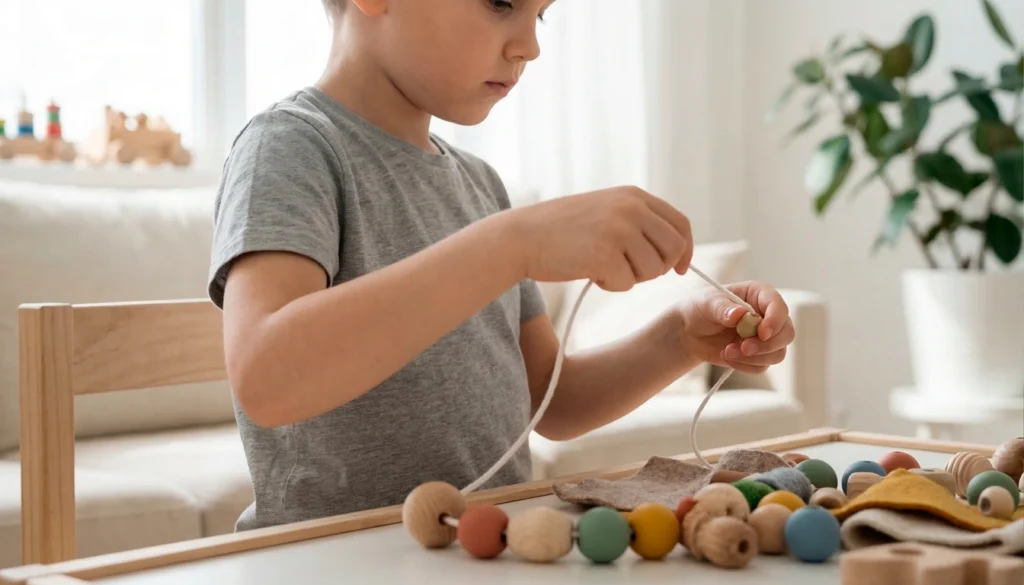
These movements help children organize both hands for one shared task. One hand may hold while the other moves. One hand may stabilize while the other adjusts. This cooperation is important for many classroom and daily-life activities.
Learning How Much Force to Use
Children benefit from materials that respond differently. Soft dough, firmer putty, sponges, stamps, clips, tongs, and spring-based tools all give the hand a different kind of resistance.
When children press, squeeze, pull, or release, they begin to notice the result of their own force. The material responds. The child adjusts. This is where control becomes visible.
Choosing Helpful Tools and Materials
When choosing materials for fine motor practice, it helps to look at what the material asks the child to do.
For strengthening, choose pliable materials with different levels of resistance. Softer materials are useful for younger children or children who are still building hand strength. Firmer materials can offer more challenge once the child is ready.
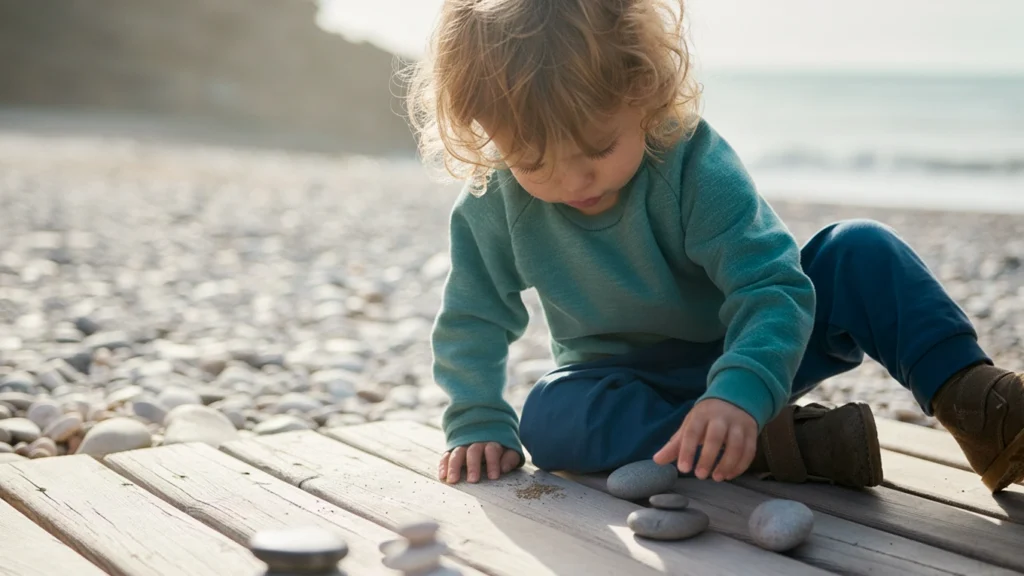
For grip development, tools should fit small hands well. Slightly thicker pencils, crayons, or drawing tools may be easier for some children to hold. Textured surfaces can help the fingers stay in place, while lightweight tools may reduce fatigue.
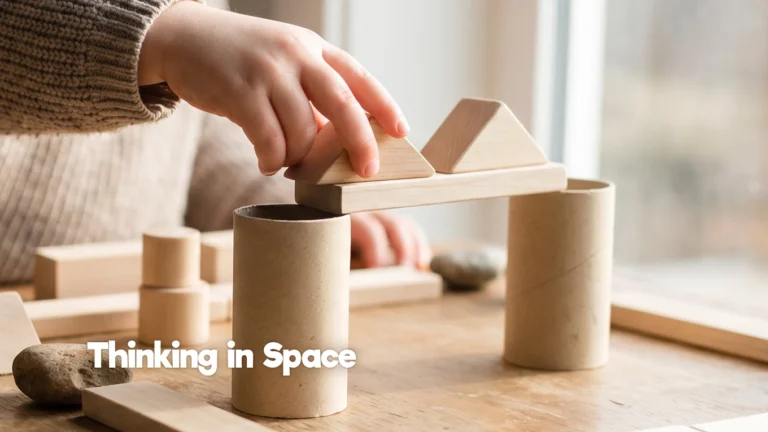
For manipulation practice, choose objects that match the child’s current ability. Larger objects support whole-hand grasp and strength. Smaller objects invite more precise finger use, especially the thumb and index finger. Texture also matters. Smooth objects and textured objects each ask the hand to respond in a different way.
Moving Forward With Realistic Expectations
Every child develops at their own pace. Some children naturally enjoy drawing, threading, cutting, and small-object play. Others may prefer running, climbing, carrying, and large movements first. Both kinds of play have value.
The goal is not to rush a child toward perfect hand control. The goal is to offer regular moments where the hands can explore, adjust, and repeat. Cooking together, folding paper, building with small pieces, sorting natural objects, turning pages, or helping with simple household tasks can all become part of fine motor development.
Progress often appears quietly. A grip becomes steadier. A button becomes easier. A drawing gains more control. A child pauses, adjusts, and tries again. These small changes matter because they show the hand, body, and mind learning to work together.
*This article is for informational purposes only and does not constitute medical or therapeutic advice. If you have concerns about your child’s development, please consult a pediatrician or occupational therapist.*