Theory of Mind: How Children Learn to Understand Others
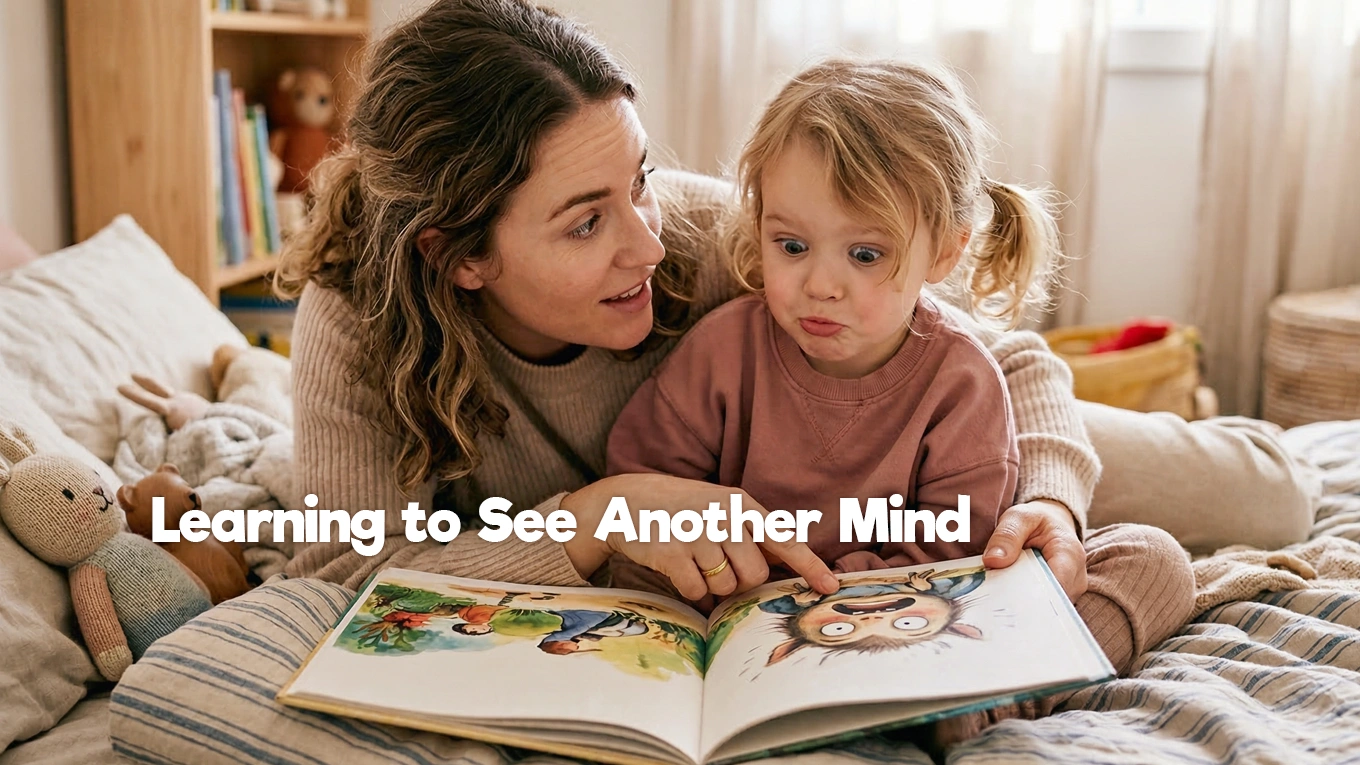
Theory of Mind in children begins with a quiet shift: a child starts to notice that another person may see, feel, or believe something different from what they do. This article looks at how perspective-taking develops in early childhood, why it matters for empathy and social connection, and how everyday conversations can help children make sense of other people’s inner worlds.
Why Perspective-Taking Matters
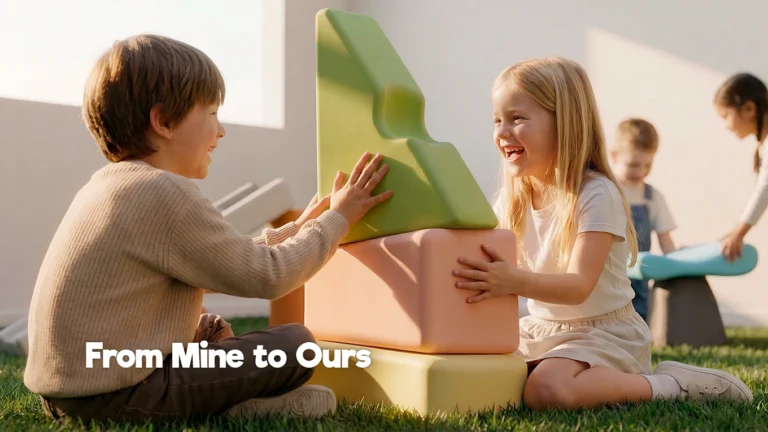
Around the preschool years, something important begins to unfold in a child’s mind. They start to understand that other people have thoughts, feelings, and beliefs of their own, and that these may not always match what the child knows or feels. Researchers call this Theory of Mind, and it is one of the key social-cognitive milestones of early childhood.
This growing awareness helps children form deeper friendships, navigate small conflicts, and respond to others with more care. When a child pauses and wonders, “How might my friend be feeling right now?” even imperfectly, they are practicing a way of thinking that connects people. Perspective-taking does not make a child instantly empathetic in every situation, but it gives them a meaningful foundation for understanding others over time.
How Empathy Really Works
Feeling It vs. Understanding It
Empathy is not one single process. Researchers often describe two related forms. Affective empathy is when we feel something in response to another person’s emotion, such as feeling sad when we see someone cry. Cognitive empathy is the ability to understand what someone else may be thinking or experiencing, even when we do not feel the same emotion ourselves.
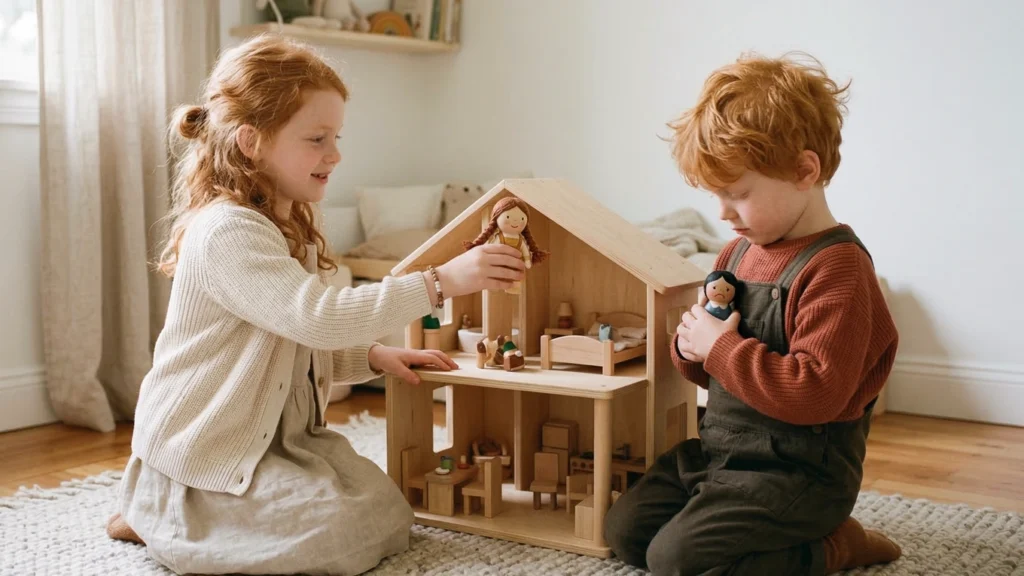
Both forms matter, but they do not develop in exactly the same way. A young child may become upset when another child cries, yet still struggle to understand why that child is upset. Over time, with language, social experience, and repeated moments of noticing, children begin to connect outer behavior with inner experience.
Why Young Children Think Others Feel What They Feel
If a toddler loves broccoli and assumes everyone else must love broccoli too, this is not selfishness. It is part of early development. Young children are still learning that other people can hold different preferences, knowledge, and beliefs.
Developmental psychologists often describe this early tendency as egocentrism. It does not mean a child lacks care. It means they are still building the ability to step outside their own point of view. Many children begin to pass classic “false belief” tasks around ages four to five, where they must understand that another person can believe something that is not true, or something different from what the child knows. This shift does not happen all at once. It emerges gradually through brain maturation, language, play, and daily social experience.
Conversation and Connection
One of the most helpful things adults can offer is ordinary conversation about thoughts and feelings. When parents and teachers use words such as think, feel, wonder, know, believe, and remember, children are gently introduced to the idea that people have inner lives.
These conversations do not need to be formal lessons. A storybook, a disagreement over a toy, or a quiet moment after school can all become openings. “Why do you think she walked away?” “What do you think he wanted?” “How did you know she felt worried?” Questions like these help children look beyond what happened and begin to consider why it may have happened.
Research often links this kind of mental-state language with stronger Theory of Mind development, although the relationship is not simply cause and effect. What we can say with more care is that repeated conversations about thoughts, feelings, and intentions give children more chances to practice noticing what is not immediately visible.
Small Moments, Big Impact
Perspective-taking grows through small, repeated moments. It does not require a special program or a perfect script. It asks adults to slow down just enough to make inner experience discussable.
When reading a story, pause and wonder aloud: “Why do you think she looks surprised?” or “What might he be feeling now?” The goal is not to get the right answer. The value is in the act of wondering.
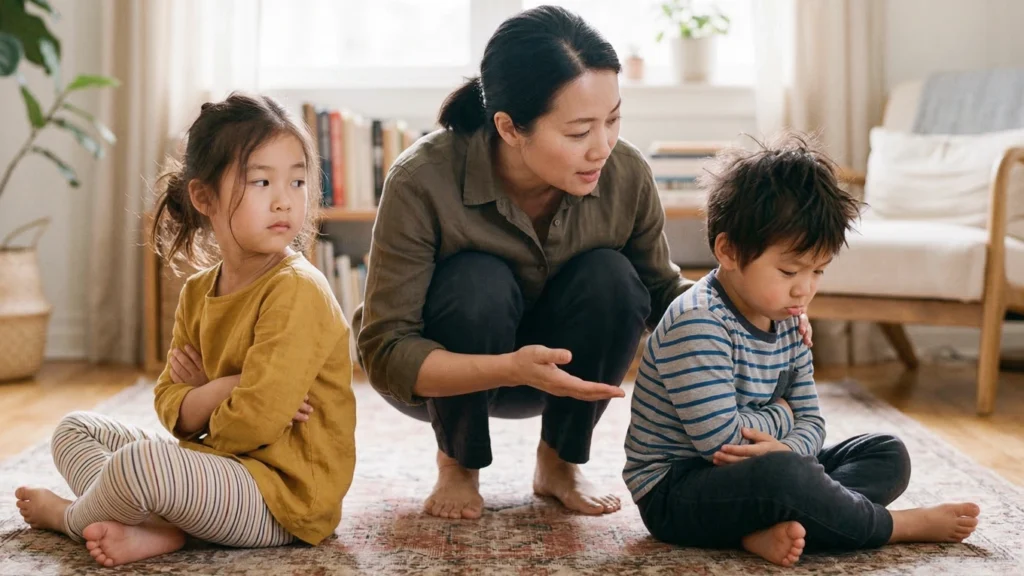
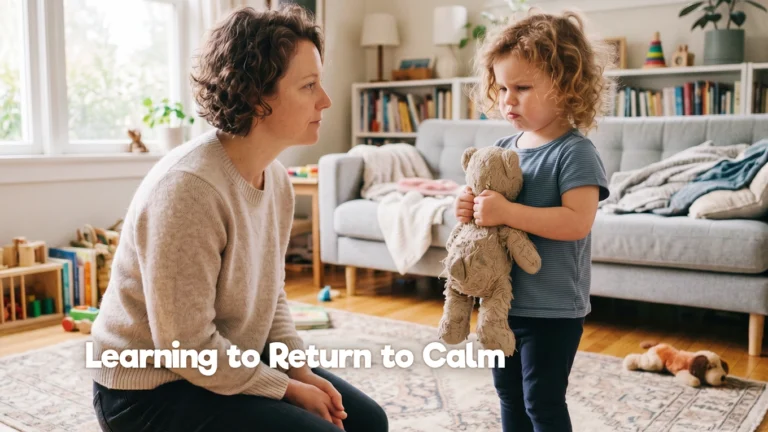
When children disagree, try not to move too quickly into solving the problem. A simple question such as, “How do you think your brother felt when that happened?” can open a space for reflection. This is not about shame or blame. It is a gentle invitation to consider another person’s side.
It also helps to narrate your own inner world. Saying, “I felt frustrated when I could not find my keys, so I stopped and took a breath,” shows children that emotions can be named, understood, and managed. It makes the unseen part of experience easier to talk about.
And when children give answers that seem wrong, patience matters. A three-year-old who believes Grandma wants the same birthday present they want is showing a typical stage of development. Gentle exposure to different perspectives usually teaches more than quick correction.
Helpful Things to Have Around
Certain toys and materials naturally invite children to imagine what another person, character, or play partner may think or feel. The most useful materials are often open-ended, allowing children to create situations rather than follow a fixed answer.
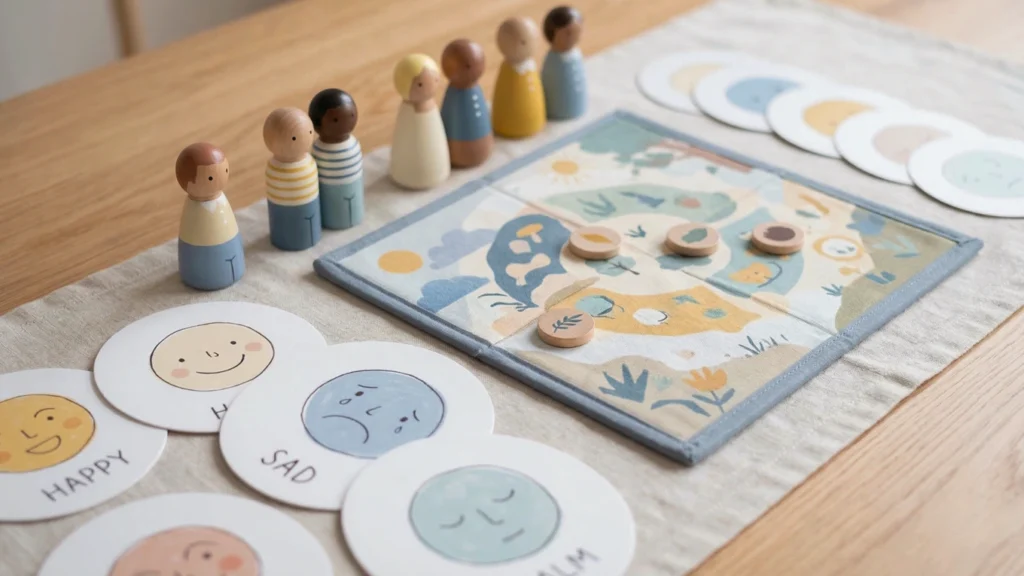
Open-ended figure playsets with varied characters can invite children to give each character a voice, a role, and a reason for acting. Dolls or plush toys with different facial expressions can help make emotions more visible and easier to discuss. Cooperative board games allow children to consider what a teammate may need, rather than focusing only on winning.
Wordless picture books are especially useful because children must read the story through images, expressions, gestures, and sequence. Without text giving every answer, they practice inference. Emotion cards or feeling faces can also help children sort, match, and name emotional states in a concrete way.
These materials do not teach empathy by themselves. Their value comes from the interaction around them: the questions, the pauses, the shared attention, and the child’s chance to imagine more than one point of view.
One Day at a Time
Helping a child understand that other people have thoughts and feelings of their own is a gradual process, not a box to check. Some days, a four-year-old may show surprising care for a friend. Other days, they may seem completely confused by why a sibling is upset. Both are part of development.
What matters most is not perfection, but atmosphere. In a home or classroom where people talk calmly about feelings, intentions, mistakes, and repair, children are given many chances to practice seeing beyond themselves. Over time, these small acts of noticing become part of how they relate to others.
*This article is for informational purposes only and does not constitute medical or therapeutic advice. If you have concerns about your child’s development, please consult a pediatrician or occupational therapist.*