How Cooperative Play Shapes Social Development in Children
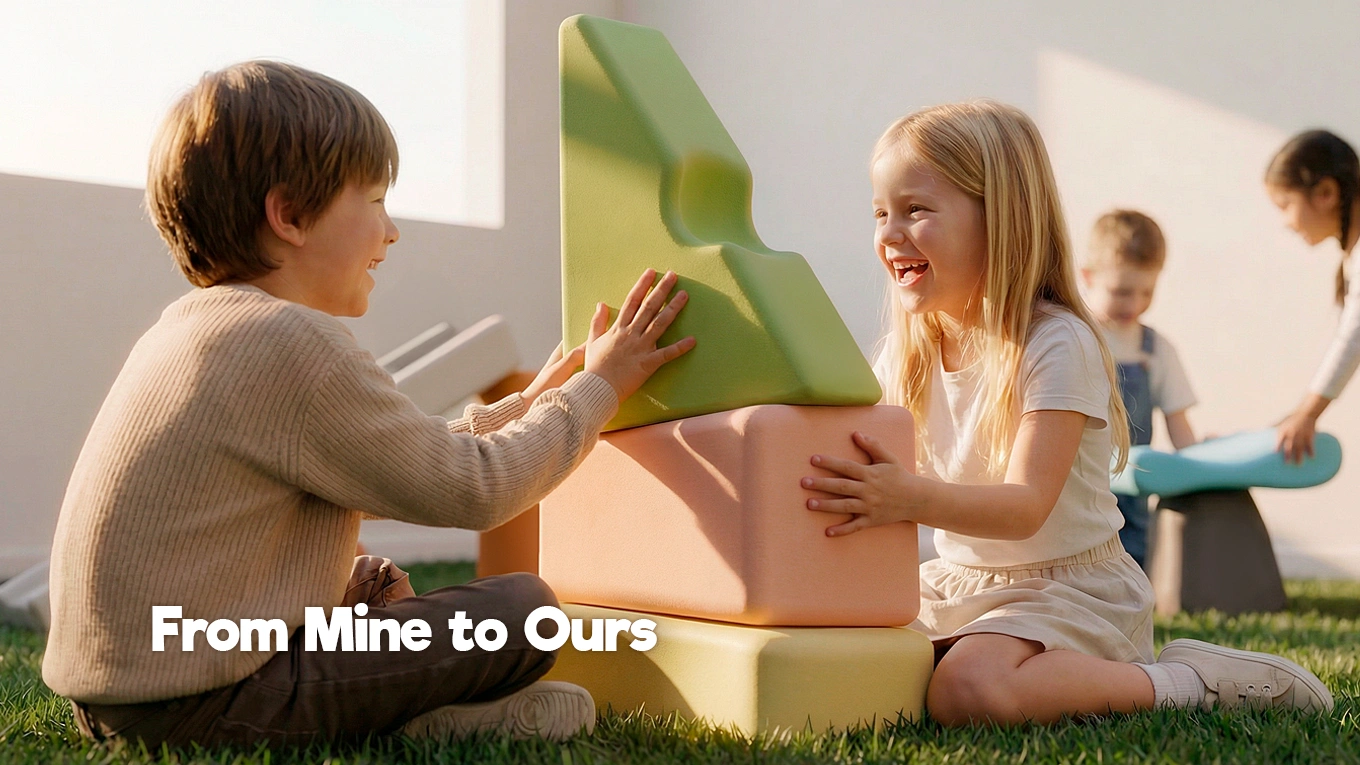
From “Mine” to “Ours”
Cooperative play is one of the quiet turning points in child development. It is the moment when children begin to move from playing beside one another to building, deciding, pretending, and solving small problems together. For parents and teachers, watching this shift can reveal how children learn to share attention, understand others, and take part in something that belongs to more than one person.
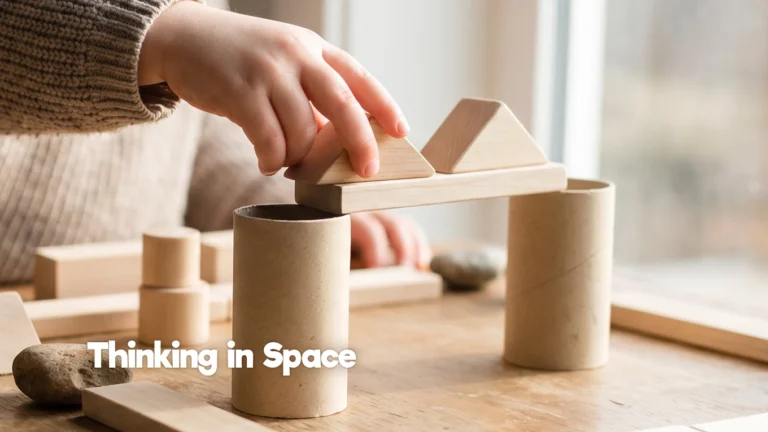
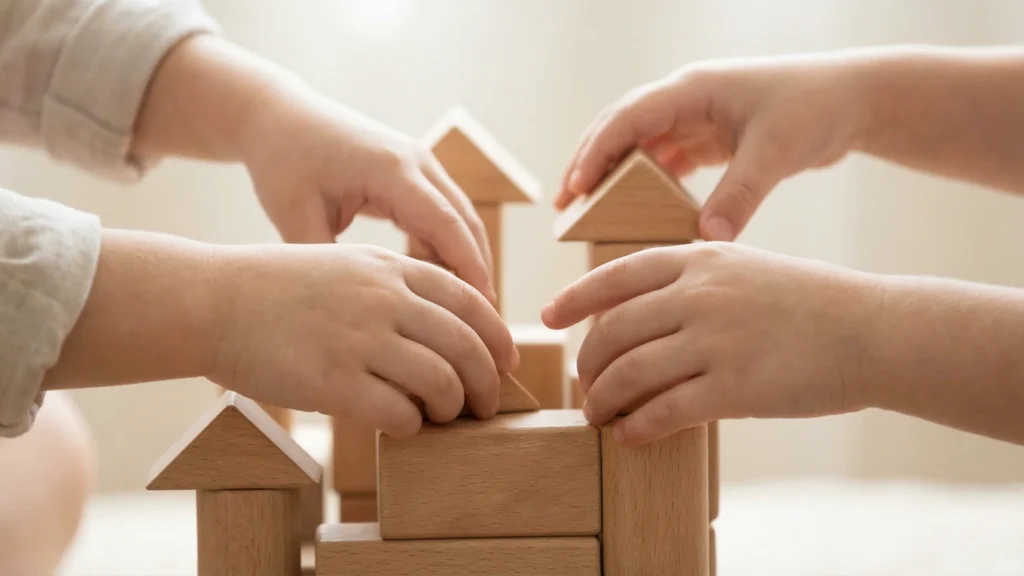
Watch any group of young children at play, and something interesting begins to unfold. At first, toddlers may stack blocks side by side, each absorbed in their own tower. Months later, those same children may be building one castle together, deciding who places which block, whether the wall is high enough, and what should happen next.
This shift is one of childhood’s meaningful social achievements: cooperative play. It is the stage where children move beyond simply playing near each other and begin playing with each other. They share goals, divide roles, create rules, and sometimes disagree about all of it.
That disagreement is not a failure of play. It is part of the work. When children collaborate, they practice expressing ideas, listening to another point of view, and finding a way forward when those views do not match. These early moments help shape how children enter friendships, classrooms, group projects, and eventually larger communities. Learning to work toward a shared idea is not only a childhood skill. It is a human one.
The Slow and Normal Road to Sharing
Children do not wake up one morning knowing how to cooperate. They arrive there gradually, through repeated experiences with space, objects, attention, and other people.
Researchers have long observed that children’s play often moves through recognizable stages. A child may begin with solitary play, then parallel play, where they play beside peers with similar materials but little direct interaction. Later, they may enter associative play, where children interact more but still hold individual goals. Cooperative play appears when children begin to organize around a shared purpose, with roles, rules, and a sense of “we.”
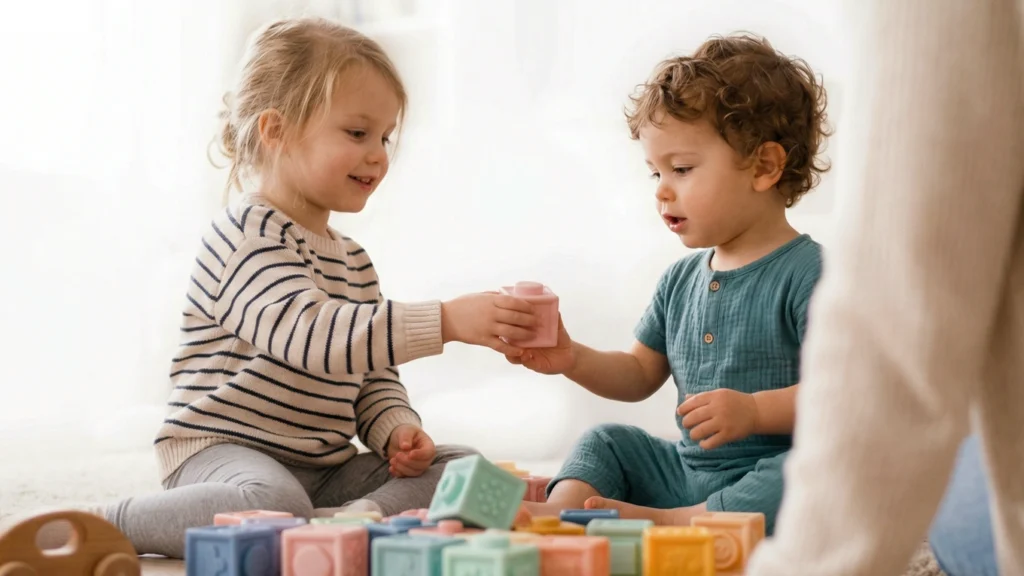
Many children begin showing clearer signs of cooperative play around four to five years old, though the timing is not fixed. Some move toward it earlier. Others need more time. Many shift back and forth depending on the setting, materials, mood, or who they are playing with. This variation is normal, and not something to rush.
Cooperation Takes Real Mental Effort
Cooperative play asks a great deal from a young child. To play with others, a child has to remember rules, wait for a turn, resist grabbing a wanted object, shift attention between their own idea and someone else’s, and manage feelings when the game changes.
These abilities are often connected to executive function, a set of mental skills that helps children hold information in mind, pause before acting, and adjust when a situation changes. In play, this is not abstract. It looks like a child stopping before knocking down a tower, waiting while a friend adds a piece, or accepting that the “shop” has become a “hospital” because the group has changed direction.
This is why cooperation can feel genuinely difficult for young children. Their brains are still building the systems needed for smooth collaboration. When they struggle, they are not simply being difficult. They are practicing a demanding form of social thinking.
Seeing Through a Friend’s Eyes
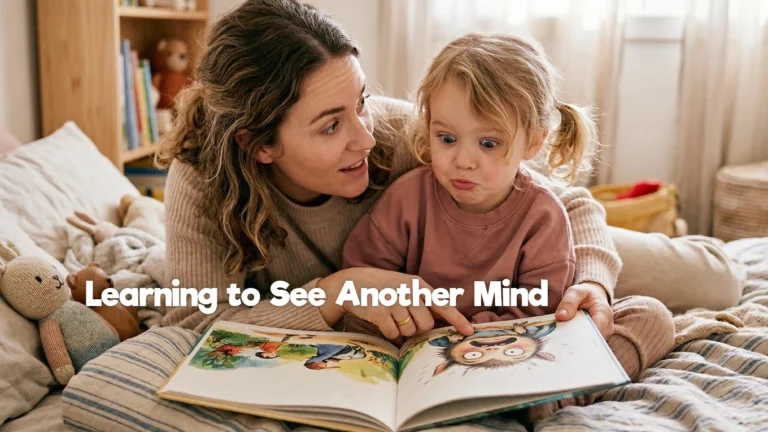
Another part of cooperative play is the ability to understand that other people have thoughts, feelings, and intentions different from one’s own. Psychologists often call this theory of mind. In everyday play, it appears when a child realizes that a friend may want a different role, may not know the rule yet, or may feel upset when a plan changes.
This ability often becomes more visible around the same age cooperative play begins to deepen. It is what allows children to say, “You be the doctor, I’ll be the patient,” and then act according to that shared idea. They are not only pretending. They are holding another person’s role in mind and adjusting their own behavior in response.
Simple Ways to Encourage Teamwork
Understanding the research is helpful, but support often begins in ordinary moments.
Start small and stay close. A playdate with one other child may be enough. Fewer people make the social field easier to read. Your nearby presence gives children a sense of safety without taking ownership of the play.
Narrate what you see. When conflict appears, describe the situation before solving it. “It looks like you both want to be the firefighter” helps name the problem and gives children a moment to notice what is happening. Sometimes that pause changes the whole direction of the interaction.
Suggest, but do not control. Instead of assigning every role, offer a possible path. “Maybe you could take turns being the chef” gives children a structure without removing their agency.
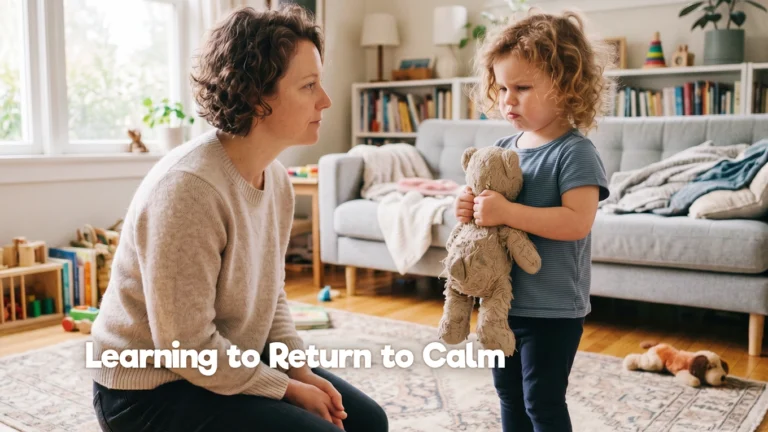
Allow some messiness. Disagreements are not interruptions to learning. They are often where the learning happens. Each negotiation, even an awkward or tearful one, gives children another chance to practice perspective, language, patience, and repair.
Model collaboration in visible ways. Children learn from watching adults carry something together, make a shared decision, take turns speaking, or adjust a plan with respect. Cooperation becomes easier to understand when it is seen in daily life.
Set Up the Space for Shared Play
The right environment can invite cooperation without forcing it. Some materials naturally ask children to work together because one child alone cannot easily complete the task.
Large building pieces, long fabric lengths for fort-making, or objects that need more than two hands can make cooperation physically necessary. The material itself becomes an invitation.
Games with shared goals can also help. Instead of asking children to defeat one another, these games ask them to solve, reach, build, or complete something as a group.

Props with clear roles can support dramatic play. Cooking utensils, market stalls, medical tools, or postal materials give children a way to divide responsibilities. One child delivers a parcel. Another receives it. A shared story begins to hold.
Open-ended materials such as blocks, fabric scraps, cardboard boxes, loose parts, and art supplies invite children to ask, “What should we make?” That question already belongs to more than one person.
Outdoor materials can offer another kind of cooperation. A large cloth, a shared ball game, garden tools, or group construction outdoors can bring movement and body awareness into the experience of working together.
It Is Messy, and That Is Okay
Learning to cooperate is not a straight path. A child may share generously one day and refuse to let go of a toy the next. Both moments belong to the same process.
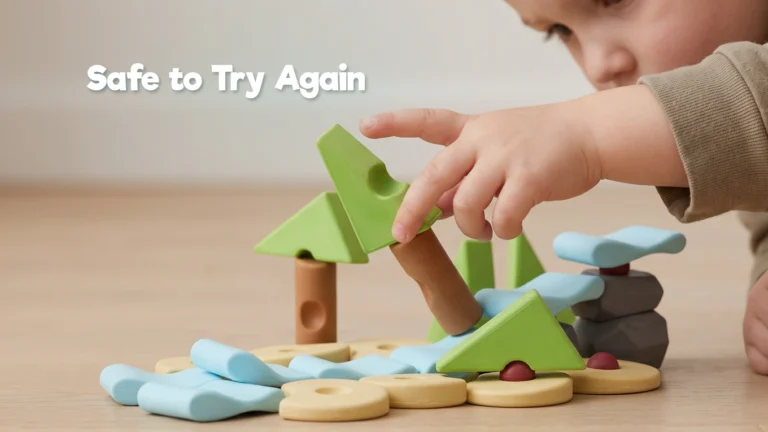
What matters is not that children cooperate perfectly. What matters is that they have safe opportunities to try, to disagree, to return, and to try again with adults nearby who trust their capacity to grow. In those repeated moments, “mine” slowly begins to make room for “ours.”
*This article is for informational purposes only and does not constitute medical or therapeutic advice. If you have concerns about your child’s development, please consult a pediatrician or occupational therapist.*